1. Safety first
The crew confirms that people and pets are out and sets up barriers. Outside doors may be opened only where it is safe.
Grinnell, IA · Poweshiek County
Did a break-in, police action or spray in self-defense leave irritant residue in Grinnell? Call (877) 812-4220. Do not hose it down. You get testing, containment and disposal from cleaners.
If anyone is in danger, call 911 first. For a suicide crisis, call or text 988.
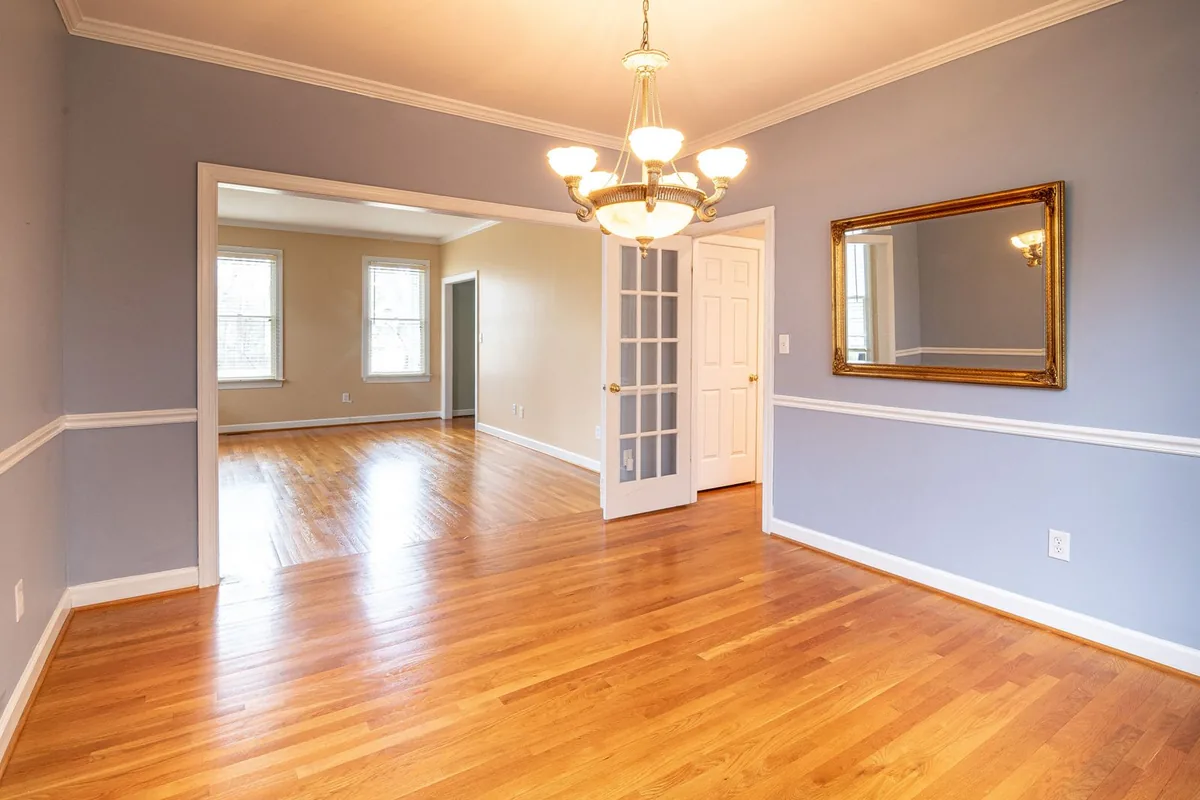
Pepper spray removal starts with ventilation and containment, followed by cleaning of hard surfaces, treatment or removal of soft goods and filtered air machines. Water alone does not do the job.
When you need tear gas clean up in Grinnell, Poweshiek County, ask Grinnell Biohazard Cleanup Help for help. Residue gets removed, waste gets disposed of safely and you receive records for insurers or landlords.
With 35% of homes in Grinnell rented, residue that spreads through shared vents can affect more than one unit. July highs near 83 degrees in Grinnell are milder, but heating and cooling systems still move residue through ducts.
The work often covers:
The crew confirms that people and pets are out and sets up barriers. Outside doors may be opened only where it is safe.
The team explains what can be saved, what must go and which products suit the agent.
Vents and ducts are cleaned or isolated, and filters are replaced where needed.
The team checks the result and gives you records you can share with insurers or landlords.
Tear gas & pepper spray cleanup in Grinnell, IA typically costs $1,500 to $50,000, depending on the size of the affected area and the materials involved.
The price depends on the size of the area, the type of agent and how much carpet, upholstery and bedding the residue reached.
| Type of job | Typical range |
|---|---|
| Single-family home | $3,000 - $10,000+ |
| Commercial property | $10,000 - $50,000+ |
| Small apartment | $1,500 - $4,000 |
Figures are planning ranges from Tear gas cleanup cost guide, not a price for any specific Grinnell property. Price drivers include property size, air system involvement, materials affected, time since exposure. Call (877) 812-4220 any hour.
Tell the landlord or property manager right away. The lease and local law decide who pays. A landlord, an attorney or a tenant rights group can explain.
Small incidents with little residue may clear with fresh air. For anything larger, it is risky because residue is hard to see and wiping can spread it. A professional crew uses protective gear and checks the result.
No. Water can spread residue or make irritation worse, and runoff can carry it into floors, walls and vents. Leave the area and keep others out, then call a cleanup team.
Ask the agency what records it can give you. A police report number is often useful for insurance. Cleanup can start once the agency says the property can be entered.
Ask what training the crew has, how it disposes of waste, how it documents the work and what protective gear it uses. A good company explains the plan before work starts.
Cleanup can be done discreetly. Ask about unmarked vehicles and quiet work practices when you call. Crews do not discuss the job with others.